30 seconds summary
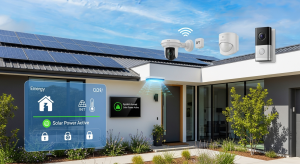
- Securing solar farms is crucial because they cover large, remote areas and contain valuable equipment like solar panels, copper wiring, and inverters. Advanced surveillance systems improve protection by combining technologies such as high-resolution CCTV, thermal cameras, motion sensors, drones, and AI-based video analytics.
- These systems can detect intrusions, theft, vandalism, or equipment faults in real time, even at night or in harsh weather.
- Integrated alarms, remote monitoring, and automated alerts enable quick response by security teams. Overall, advanced surveillance helps reduce losses, prevent downtime, and ensure reliable energy production for solar farms.
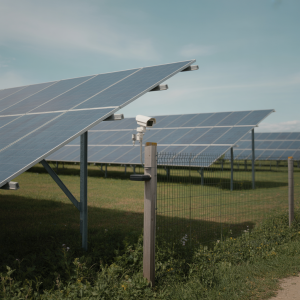
Modern solar installations often include discreet monitoring systems to support site security
Large Scale Solar Farms
Solar farms have become a cornerstone of modern renewable energy infrastructure. As countries and companies invest heavily in solar power to reduce dependence on fossil fuels, large-scale solar farms are being deployed across rural and urban landscapes worldwide. These facilities often span hundreds or even thousands of acres and contain valuable equipment such as photovoltaic (PV) panels, inverters, transformers, and battery storage systems. While solar energy offers environmental and economic benefits, the increasing value and scale of solar farms make them attractive targets for theft, vandalism, and unauthorized access.
Security For Solar Farms
Security has therefore become a critical concern for solar farm operators. Traditional security methods such as fencing, guards, and basic alarm systems are no longer sufficient to protect these expansive and often remote facilities. This is where advanced surveillance systems come into play. Among the most important tools in modern solar farm security are mini surveillance cameras, which offer compact, discreet, and highly capable monitoring solutions.
Mini surveillance cameras provide continuous monitoring, real-time alerts, and high-resolution video recording while being small enough to remain unobtrusive and difficult for intruders to detect. When integrated with advanced technologies such as artificial intelligence (AI), motion detection, infrared imaging, and remote connectivity, these cameras form a powerful security network that helps protect solar farm assets and maintain uninterrupted energy production.
This article explores the growing importance of surveillance in solar farm security, the features and advantages of mini surveillance cameras, and how advanced monitoring systems can safeguard renewable energy infrastructure.
The Growing Need for Solar Farm Security
Solar farms face unique security challenges due to their physical characteristics and operational environment. Unlike conventional power plants, solar installations are spread across vast areas and are often located in remote regions with minimal human presence. This makes them vulnerable to various security threats.
One of the most common threats is equipment theft. Solar panels, copper wiring, and electrical components are valuable and relatively easy to remove if security is inadequate. Criminals often target solar farms to steal these materials for resale on the black market. Even a small theft can disrupt energy production and lead to expensive repairs.
Another concern is vandalism. Damage to solar panels or supporting structures can significantly reduce a facility’s energy output and require costly maintenance. Additionally, unauthorized access to solar farms poses safety risks for both intruders and equipment, as high-voltage systems can be dangerous.
Cyber-physical threats are also becoming increasingly relevant. As solar farms become more connected through smart grid technologies, surveillance systems must integrate with network security and monitoring platforms to ensure comprehensive protection.
To address these challenges, solar farm operators are adopting layered security strategies that combine physical barriers, access control systems, and advanced surveillance technologies.
What Are Mini Surveillance Cameras?
Mini surveillance cameras are compact video monitoring devices designed to capture high-quality footage while occupying minimal space. These cameras are significantly smaller than traditional security cameras, making them easier to conceal and install in locations where larger devices may not be practical.
Despite their small size, modern mini cameras are equipped with powerful features such as high-definition (HD) or even 4K video resolution, night vision capabilities, wireless connectivity, and intelligent motion detection. Many models can also transmit footage in real time to remote monitoring centers or cloud-based storage systems.
Mini surveillance cameras can be deployed in both indoor and outdoor environments. In solar farms, they are typically installed on poles, equipment housings, perimeter fences, and monitoring towers to provide comprehensive coverage of critical areas.
Because they are discreet, mini cameras are particularly useful for detecting suspicious activity without alerting potential intruders. This covert monitoring capability enhances the effectiveness of the overall security system.
Key Features of Mini Surveillance Cameras
Modern mini surveillance cameras offer a wide range of features that make them suitable for protecting solar farms.
High-Resolution Video
High-definition video is essential for identifying intruders and documenting incidents. Many mini cameras now support resolutions ranging from 1080p to 4K, ensuring clear footage even when zooming in on distant objects.
Night Vision and Infrared Technology
Solar farms operate 24 hours a day, and many security incidents occur at night. Infrared (IR) night vision allows mini cameras to capture clear images in complete darkness. Advanced models can detect movement at significant distances, ensuring nighttime surveillance remains effective.
Motion Detection and Smart Alerts
Motion detection technology enables cameras to automatically record when movement is detected within their field of view. AI-powered systems can differentiate between humans, animals, and environmental motion such as wind-blown debris. When suspicious activity is detected, the system can send instant alerts to security personnel.
Wireless Connectivity
Wireless mini cameras eliminate the need for extensive cabling, making installation easier and more flexible. Many cameras connect via Wi-Fi, cellular networks, or specialized industrial communication systems.
Weather Resistance
Solar farms are exposed to harsh environmental conditions, including heat, rain, dust, and wind. Outdoor mini surveillance cameras are designed with weatherproof enclosures to ensure reliable performance in challenging environments.
Remote Monitoring
One of the most valuable features of modern surveillance systems is the ability to monitor cameras remotely through mobile devices or centralized control centers. Security teams can access live footage from anywhere, enabling rapid response to incidents.
Integrating Mini Cameras into Solar Farm Security Systems
While mini surveillance cameras are powerful on their own, their effectiveness increases significantly when integrated into a comprehensive security system. Solar farm surveillance typically includes multiple layers of monitoring technology working together.
Perimeter Monitoring
Mini cameras can be installed along the perimeter of the solar farm to monitor fences and entry points. When combined with motion sensors and infrared beams, these cameras can detect intrusions and capture video evidence.
Equipment Monitoring
Sensitive equipment such as inverters, transformers, and battery storage units can be monitored using strategically placed mini cameras. These cameras ensure that any tampering or unauthorized access is immediately recorded and reported.
Access Control Integration
Solar farms often use access control systems to restrict entry to authorized personnel. Mini cameras positioned near gates and control points can verify identities and maintain visual records of all entries and exits.
Drone Surveillance Support
In some advanced installations, mini surveillance cameras complement drone-based monitoring systems. Drones can conduct periodic aerial inspections, while ground-based mini cameras provide continuous monitoring.
Benefits of Using Mini Surveillance Cameras in Solar Farms
The adoption of mini surveillance cameras offers numerous advantages for solar farm operators.
Enhanced Security Coverage
Because of their small size and flexibility, mini cameras can be installed in areas where larger cameras might not fit. This allows operators to achieve more comprehensive coverage across the entire facility.
Cost-Effective Deployment
Mini surveillance cameras are generally more affordable than larger industrial cameras, making it possible to deploy a greater number of units without significantly increasing costs.
Discreet Monitoring
Their compact design makes mini cameras less visible to intruders, reducing the likelihood that criminals will attempt to disable them.
Scalability
As solar farms expand, additional cameras can be easily added to the surveillance network without major infrastructure changes.
Improved Incident Investigation
High-quality video footage helps security teams investigate incidents more effectively, identify perpetrators, and provide evidence for legal proceedings.
Artificial Intelligence and Smart Surveillance
One of the most significant developments in modern surveillance technology is the integration of artificial intelligence. AI-powered analytics can transform mini surveillance cameras into intelligent monitoring systems capable of identifying unusual behavior automatically.
For example, AI algorithms can analyze movement patterns and detect activities such as loitering, fence climbing, or unauthorized vehicle entry. These systems can then trigger alarms, activate additional cameras, or notify security personnel in real time.
AI also reduces false alarms by distinguishing between legitimate threats and harmless movements, such as animals passing through the area.
Over time, machine learning algorithms can improve detection accuracy by analyzing historical data and adapting to the specific environment of the solar farm.
Power and Connectivity Considerations
Since solar farms are energy-generating facilities, they often have the advantage of access to renewable power sources for operating surveillance equipment. Mini surveillance cameras can be powered directly by the solar farm’s electrical infrastructure or by dedicated small solar panels.
Energy-efficient camera designs ensure that surveillance systems consume minimal power while maintaining continuous operation.
Connectivity is another important factor. Remote solar farms may not have reliable wired internet connections, so many surveillance systems rely on cellular networks or satellite communication for data transmission.
Challenges in Solar Farm Surveillance
Despite their advantages, implementing surveillance systems in solar farms presents several challenges.
Large geographic areas require careful planning to ensure that cameras provide complete coverage without blind spots. Environmental factors such as dust storms, heavy rain, or extreme heat can also affect camera performance if equipment is not properly protected.
Additionally, cybersecurity must be considered. Connected surveillance devices can become targets for hackers if network security measures are inadequate. Encryption, secure authentication, and regular software updates are essential to protect surveillance systems from cyber threats.
Best Practices for Implementing Surveillance Systems
To maximize the effectiveness of mini surveillance cameras in solar farms, operators should follow several best practices:
- Conduct a comprehensive risk assessment to identify vulnerable areas and prioritize monitoring locations.
- Use a layered security approach, combining cameras with sensors, alarms, and access control systems.
- Ensure proper camera placement to avoid blind spots and maximize coverage.
- Use weather-resistant equipment designed for outdoor environments.
- Implement secure network protocols to protect against cyber attacks.
- Regularly maintain and test equipment to ensure consistent performance.
Future Trends in Solar Farm Surveillance
As technology continues to evolve, surveillance systems for solar farms are expected to become even more advanced. Emerging technologies such as thermal imaging cameras, AI-driven predictive analytics, and autonomous security robots may further enhance monitoring capabilities.
Mini surveillance cameras will likely become smaller, more energy-efficient, and more powerful, enabling operators to deploy even more comprehensive security networks.
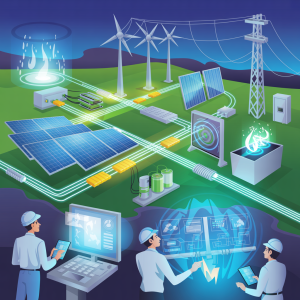
Integration with smart grid systems may also allow surveillance data to interact with operational monitoring platforms, creating a unified infrastructure management system.
Conclusion
The rapid expansion of solar energy infrastructure has created new security challenges that require modern solutions. Solar farms are valuable assets that must be protected from theft, vandalism, and unauthorized access to ensure consistent energy production and financial stability.
Advanced surveillance systems, particularly those incorporating mini surveillance cameras, offer an effective and flexible approach to safeguarding these facilities. Their compact design, high-resolution imaging, remote monitoring capabilities, and integration with AI technologies make them ideal for monitoring large and remote solar installations.
By implementing comprehensive surveillance strategies that combine mini cameras with other security technologies, solar farm operators can significantly reduce risks and improve operational resilience. As renewable energy continues to play a vital role in the global transition toward sustainable power, ensuring the security of solar farms will remain a critical priority for the energy industry.
 Quick Snapshot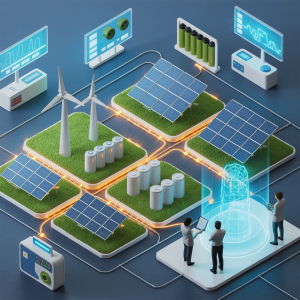
 30 seconds summary